Best Horizon Fence Company Austin Services for Custom Fence Design
Trusted Fence Replacement Services for Any Budget
Reliable fence replacement services are vital for property owners looking to improve their home. With numerous choices on the market, from budget-friendly chain link to elegant wooden styles, there is an option suited to every price range. Recognizing personal requirements, such as privacy and aesthetics, is essential throughout this journey. However, selecting the right contractor and materials can be overwhelming. Which elements should be evaluated to ensure a successful result?
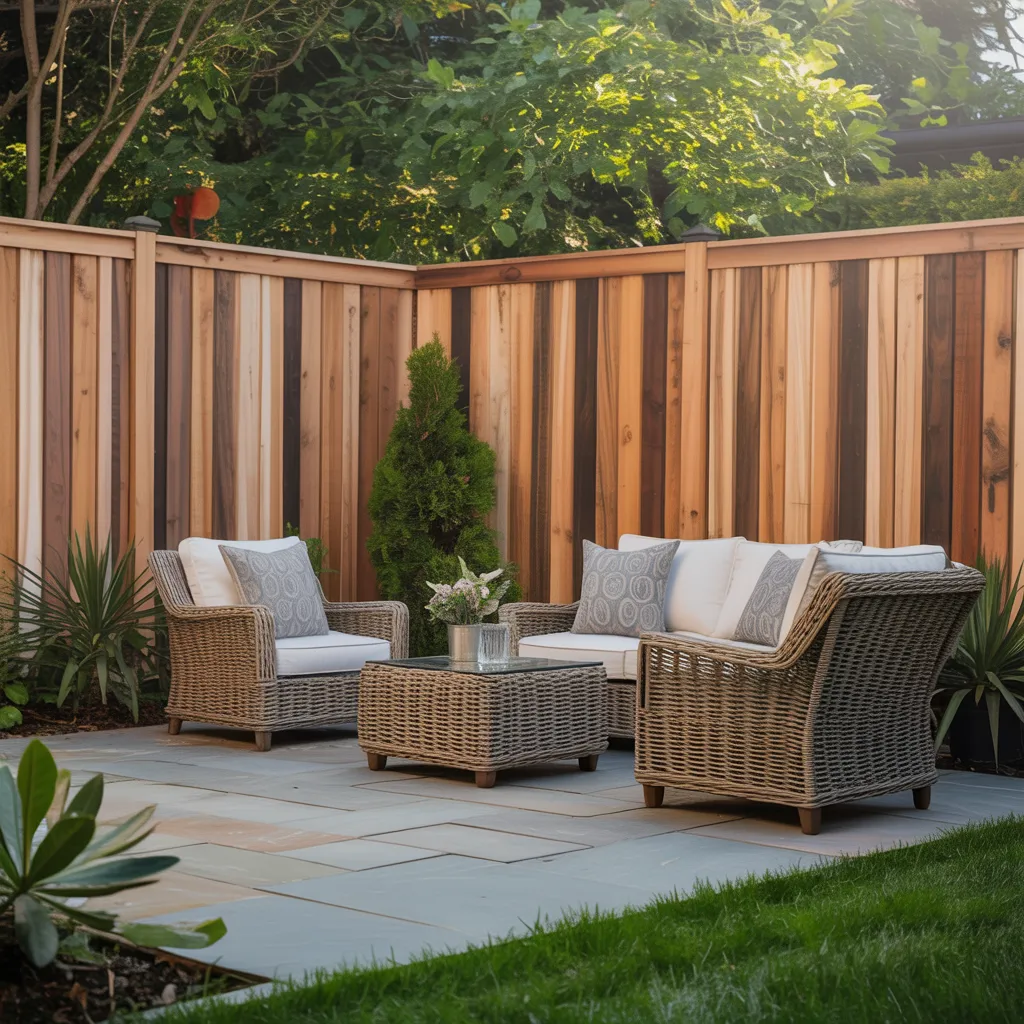
How to Find the Ideal Fence for Your Property
When evaluating the ideal fence for a property, one must analyze multiple factors that affect the selection. The foremost considerations encompass the intended function of the fence, whether for privacy, security, or aesthetic appeal. Additionally, the local climate plays a significant role; fencing materials must endure local weather conditions to ensure durability. Land boundaries and municipal zoning requirements must likewise be assessed to prevent possible conflicts with adjacent property owners.
Another important factor is maintenance; not all materials require the same level of attention. Homeowners should consider their willingness to commit time and resources to fence maintenance. Furthermore, personal design choices should harmonize with the home's architectural character. Through careful consideration of these elements, homeowners can make well-informed decisions that improve their property while meeting their unique requirements.
Cost-Effective Fence Choices: Materials and Styles
When evaluating a fence replacement project, cost-effective choices can provide both affordability and style. Various materials, such as vinyl and chain-link fencing, offer cost-effective solutions without cutting corners on durability. Moreover, flexible design choices allow homeowners to attain their preferred look while staying within their budget.
Affordable Material Choices
Budget-friendly materials for fencing can considerably impact both the budget and aesthetic appeal of a property. Popular choices include chain link, which provides strength at a more affordable price point, and vinyl, valued for its low maintenance and long lifespan. Wooden fences, notably pressure-treated pine, offer a classic look and can be cost-effective if sourced locally. Composite fencing, while somewhat more expensive, blend the look of wood with greater strength, making them a smart investment. Additionally, bamboo is an environmentally friendly choice that can add a unique character to outdoor spaces. Every material offers specific advantages, permitting homeowners to pick materials that suit their budget requirements while improving their home's aesthetic appeal.
Diverse Design Possibilities
Picking the right components for your fence not only affects budget but also creates a range of design possibilities. Residents can choose from a variety of affordable options, such as wood, vinyl, or chain-link fences, each providing distinct visual appeal. For example, vinyl can resemble the look of natural wood while demanding more information less care, while a chain-link fence is perfect for an clear, unobstructed view. Moreover, wood can be painted or stained to match any yard, offering customization. Choices like split rail or picket styles can enhance your property's appearance without straining your budget. By carefully considering these styles and materials, individuals can establish a beautiful fence that enhances their landscape while respecting spending limits.
Factors That Ensure Long-Lasting Durability
While different materials provide unique visual characteristics, their resilience significantly influences the lifespan and upkeep of cost-effective fencing solutions. Timber, though favored for its organic look, is susceptible to decay and pest damage without adequate treatment. PVC offers a more durable option, withstanding discoloration and splitting, although upfront expenses tend to be greater. Chain-link structures deliver reliable endurance at an affordable rate but compromise on seclusion and decorative value. Metallic choices such as aluminum are easy to handle and protected against rust, rendering them appropriate for diverse weather conditions. Ultimately, selecting a material that balances cost with durability is essential for ensuring that budget-conscious homeowners enjoy a reliable fence that withstands the test of time while requiring minimal maintenance.
Important Qualities to Seek in Fence Replacement Services
When assessing fence replacement services, what key qualities should homeowners focus on? First, experience and expertise are vital; reputable companies frequently have the capabilities required to manage different fence styles and installation complexities. Furthermore, a trustworthy service should offer clear communication, keeping clients updated at every stage.
The quality of materials is another important factor, as they have a direct effect on the lifespan and visual quality of the fence. Homeowners are encouraged to prioritize services that include warranties, reflecting confidence in their workmanship and materials. Feedback and testimonials from previous clients can shed light on the trustworthiness and quality of the service, assisting homeowners in choosing the right service provider.
Finally, a wide range of design options empowers homeowners to pick designs that complement their personal tastes and property appearance. By considering these important factors, homeowners can select a fence replacement service that meets their requirements and standards with ease.
Comparing Costs: DIY Fence Replacement vs. Professional Installation
When thinking about replacing a fence, property owners often consider the costs of DIY projects against hiring professionals. A detailed analysis of DIY expenses reveals the price of materials, equipment, and unexpected charges, while professional options encompass workforce and specialized experience. Grasping these monetary considerations is important for reaching a well-informed conclusion.
DIY Expense Overview
Numerous homeowners consider the expenses associated with fence replacement, comparing the advantages of doing it themselves versus hiring professionals. DIY fence replacement generally involves material costs, tools, and possible permits. Materials such as wood, vinyl, or chain-link can vary considerably in price, with wood generally being the most affordable option. Property owners should also factor in tool expenses—acquiring or renting equipment can increase the total cost. Additionally, while labor is not a direct cost in a DIY project, the time invested should be factored in, as it can be substantial. Unexpected challenges, such as difficult terrain or weather conditions, may further impact the budget, making a thorough cost breakdown essential before committing to a DIY project.
Professional Service Expenses
Homeowners considering the DIY route often find themselves considering the financial aspects of expert fence installation services. In most cases, working with specialists results in labor costs between $30 and $50 per hour, subject to the area and intricacy of the job. Materials may also contribute substantially to the overall expense, with experts frequently selecting superior materials compared to DIYers. Additionally, professionals often include warranties and guarantees, offering enduring value and confidence. Even though DIY work can look less expensive initially, hidden costs such as tools, time, and potential mistakes can quickly add up. Therefore, for individuals who value quality and efficiency, professional services may prove to be a worthwhile investment in the long run.
A Guide to Fence Replacement Costs
What factors determine the price of fence replacement? A number of considerations impact the overall cost of this project. First and foremost, the material selected—wood, vinyl, chain-link, or wrought iron—has a major impact on pricing. Each material varies in aesthetic value, longevity, and pricing. Additionally, the size of the area requiring fencing has a direct bearing on the total cost; larger spaces necessitate additional materials and greater labor.
Furthermore, the complexity of installation and local labor rates can impact the overall cost. Uneven terrain or permit requirements, for instance, may cause labor costs to rise. Homeowners should also consider any additional features, such as gates or decorative elements. Seasonal demand may also play a role in pricing, with contractors often charging higher rates during peak seasons. Grasping these variables is key for homeowners looking to budget appropriately and make informed decisions about replacing their fence.
Advice for Picking the Right Fence Replacement Contractor
Upon initiating a fence replacement endeavor, what aspects should one examine when hiring a contractor? Initially, it is important to confirm the contractor's qualifications, including licensing and insurance. This secures conformity with local guidelines and defends the homeowner against liability. Additionally, reviewing past work and obtaining references can give a clear understanding of the contractor's consistency and quality of work.
In addition, obtaining multiple quotes helps establish a better grasp of market rates and assists in spotting potential issues. Good communication is just as critical; a professional should be attentive, open about their methods, and willing to answer questions. In addition, reading online feedback can expose client experiences and happiness with the service. Finally, a trustworthy service provider will provide a guarantee for their services, proving their trust in their own craftsmanship. By taking these aspects into account, clients can arrive at a well-informed choice and select a professional who fits their requirements and financial plan.
Questions We Often Receive
How Much Time Does a Standard Fence Replacement Project Require?
A standard fence replacement project usually spans one to two weeks, influenced by factors such as the total area involved, type of materials used, and environmental conditions that influence the work.
What Permits Do You Need for Fence Replacement?
Typically, permits for fence replacement vary by location but frequently consist of zoning permits and building permits. Homeowners ought to review applicable local regulations to guarantee compliance, as requirements can vary considerably between local municipalities and homeowner associations.
Is It Possible to Install a Fence on My Own Property Line?
Yes, a homeowner may install a fence on their own lot line, so long as they follow local zoning laws and regulations. It is recommended to check property boundaries and speak with neighboring property owners to steer clear of potential boundary disputes.
What Care Is Necessary After Fence Installation?
Regular maintenance after fence installation encompasses checking for signs of damage, cleaning the fence surfaces, applying protective stains or sealants, fastening loose fixtures and hardware, and ensuring vegetation doesn't encroach. Ongoing care increases the fence's longevity and keeps it looking its best.
Are Warranties Offered for Fence Materials and Installation?
Several fence materials and installations come with warranty coverage, varying by manufacturer and installer. Typically, warranties cover material defects and performance standards, providing assurance that customers receive coverage for problems that could occur after installation, boosting the overall sense of satisfaction and security in their investment.